

Wednesday, November 18, 2015



Friday, November 13, 2015
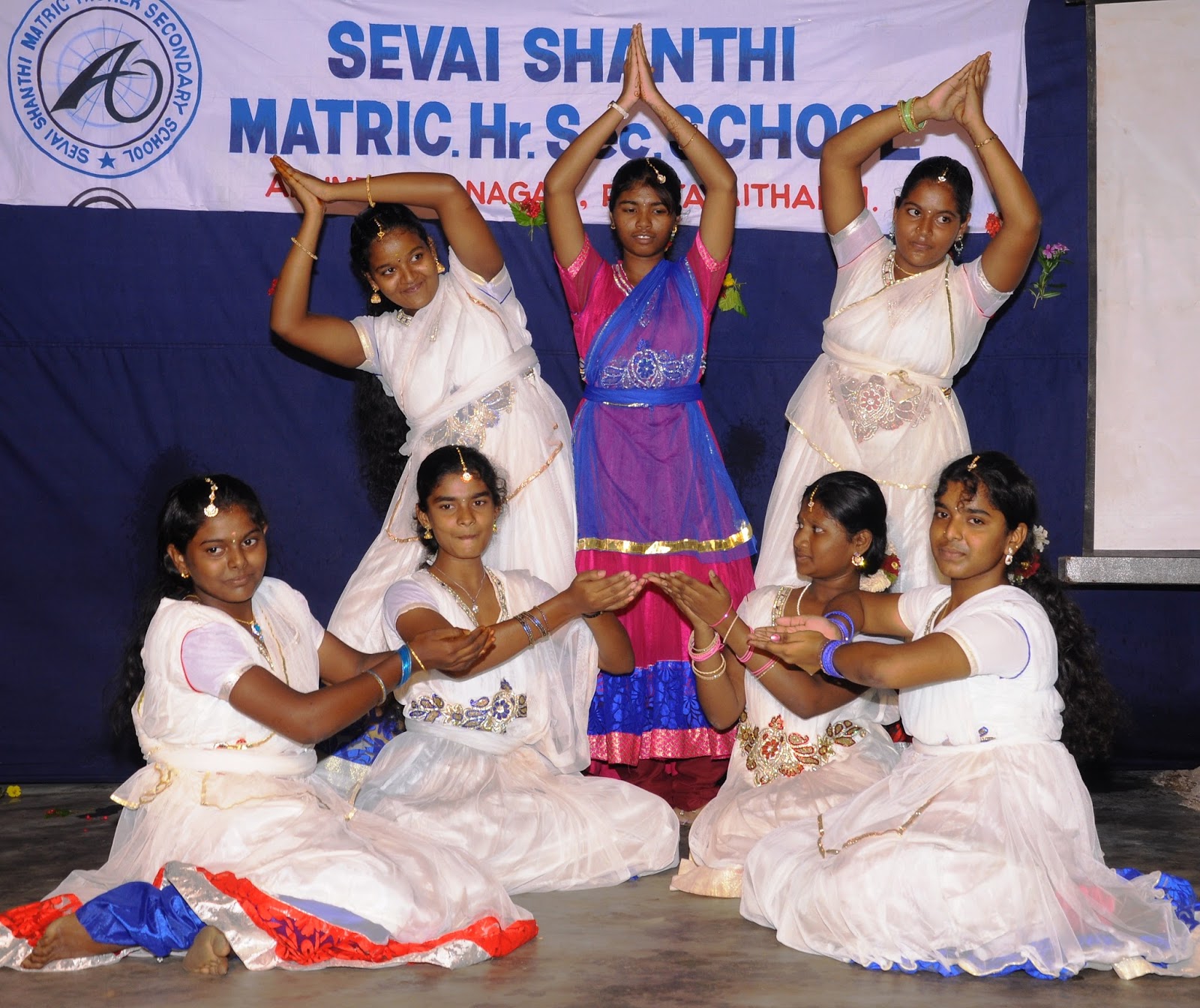
SEVAI Shanthi Matric Higher Secondary School -school children in Yoga
 |
| SEVAI Shanthi Matric Higher Secondary School -school children in Yoga |

Prof.So.Sathiyaseelan Presented with KALAM KNOWLDGE CONNECTIVITY AWARD by OZONE
 |
| Prof.So.Sathiyaseelan Presented with KALAM KNOWLEDGE CONNECTIVITY AWARD by South Zone Board of Continuing Education-OZONE |
Thursday, May 7, 2015
SEVAI handed over tsunamii ani recovery homes handed over cooksnagar in Nagapatinami

 | ||
| tsunami homes constructed by SEVAI after 10 years in Cooksnagar |
Thursday, April 30, 2015
Agro based enterprises sustains rural economy- SG/OFI/SEVAI project
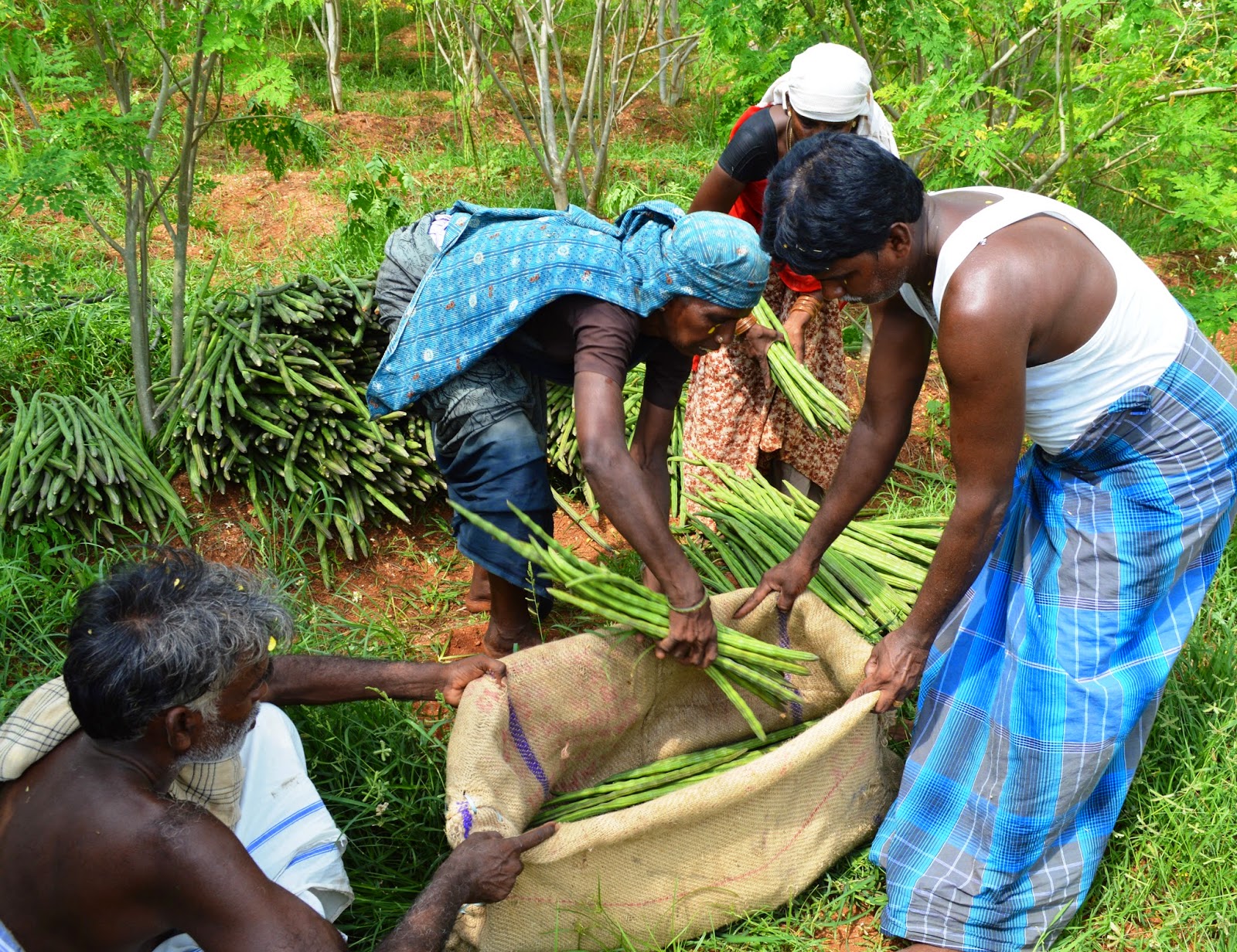 |
| Vegetable projection and marketing |
SG/OFI/SEVAI, Project
in Trichy works for Sustainable Livelihoods, enhancing women’s well-being
through knowledge, innovation and transformation actions. Most people living in
the rural areas draw their livelihood from agriculture and allied sectors.
Accordingly, the strategy of the SG/OFI/SEVAI, Project has been to improve the
economic and social conditions of the underprivileged sections of the rural
population with emphasis on agricultural production to promote productive
employment opportunities, by integrating traditional production infrastructure,
skills and locally available raw material. Recognizing that
long-term
development of village economy depends critically on the effective exploitation
of the productive potential of the rural sector and development of rural
enterprises, the SG/OFI/SEVAI, Project with the objectives of facilitating
coordinated and effective implementation of programmes, projects, schemes,
etc., for improving supply chain management, enhancing skills, upgrading technology,
expanding markets and capacity building of the entrepreneurs and their
groups/collectives. Agriculture is dealt with as an Enterprise for small
holders farmers. Agriculture constitutes 70 to 90 percent of the livelihoods
portfolio of the average poor rural household SEVAI Target villages. Declining
productivity, incomes and overall viability of agriculture, for small-holder
farming systems particularly, is a big barrier towards achieving poverty
reduction, food security, and economic empowerment of women. SEVAI is
revitalizing Agriculture Extension System, especially in Target village areas
where reach of agriculture services and extension is extremely poor. SEVAI's
services were found necessary to develop a viable method for improving status
of production, productivity and input efficiency in most backward community
areas, which will greatly enhance food security and incomes of the marginalized
group of farmers in these areas. The farmers are looking for time bound tailor
made agriculture information and linkage services. This innovation model will
address these causes by establishing a progressive farmer led agriculture
extension system which is modularized and linked with the Agriculture
Enterprise Facilitation Centre (run by SHG groups and SEVAI).The SEVAI project aims to
provide sustainable livelihoods for most backward families through agriculture based integrated
farming systems development, promote sustainable participatory livelihood
programmes which aim at economic upliftment through sustainable agriculture,
social empowerment, improvement in quality of life including health and women
development, in De-notified
tribal predominant area. Promotional efforts such
as capacity building, exposure visits, training, developing literature,
sensitization programmes etc for the benefit of communities is undergoing. The
program also aims to support activities related to development of market,
processing and marketing of products manufactured by / communities. The main
plants identified with participatory approaches are mango, lemon and guava with
improved agriculture through vegetable cultivation and improve technology
transfer in agriculture with help of entitlements realizations. The main
component of program is to promote horticulture development, improved
agriculture, water resource developments, soil and water conservation,
empowerment of de-notified tribal women. Women Self Help Groups has emerged as a
major tool to reduce poverty as it helped in the creation and
expansion of micro enterprises by vulnerable communities. -Govin
 |
| Flower vendor SHG member |
 |
| Greens retails marketing by SHGs |
 |
| Retail vegetable marketing by women SHGs |
Sunday, April 26, 2015
Thottiyapatty/Dasilnaickanoor area watershed project supported by SG/OFI/SEVAI promotes water and soil conservation technology.
 |
| Contour bunding construction process |
 |
| Gully plugging - Rain Water Harvesting process |
 |
| Terrace Ploughing in Dasilnaicknaoor watershed |
 |
| Check dam construction |
 |
| Rain Water desilted catchment area |
 |
| Gradiant ploughing in Thotiyapatty watershed |
Saturday, April 25, 2015
Tapioca is grown now in the watershed area of Thottiyapatty
 |
| Harvested Tapioca in Thottyapatty Watershed area |
Tapioca
is grown now in the watershed area of Thottiyapatty, a project implemented by
SG/OFI/SEVAI.Drip irrigation is used for cultivating Tapioca. Tapioca belongs to the family
Euphorbiaceae.Tapioca grows and produces best under warm humid tropical
conditions. Its outstanding characteristic in terms of moisture requirements is
the ability to withstand fairly prolonged periods of drought. However, at the
time of planting there was sufficient moisture in Thottiyapatty region for the
plant to establish itself. Tapioca is propagated from cuttings of selected
mature healthy stems free from diseases. Stems were cut into setts of 15-20 cm
length using a sharp knife. About 2000 stems are required for planting one
hectare. Harvested stems are to be stored vertically in shaded and well-aerated
places. Tapioca is planted at a spacing of 90 x 90 cm and it takes about 3-3.5
months time to have enough canopy to cover the land. So it is possible to have
an inter crop of groundnut during the early stages of tapioca crop. In sandy
areas inter-cropping tapioca with cowpea / groundnut / black gram / green gram is
recommended giving a spacing of 20 cm on both sides of the ridges. The
non-trailing grain cow pea variety V-26 is recommended as a companion crop along
with tapioca. For a pure crop of tapioca or for a cropping system involving
tapioca as the main crop and the pulse crop, the field may be irrigated once in
36 days to a depth of 5 cm. Tapioca flour, also known as tapioca starch is starchy
white flour that has a slight sweet flavor to it. Tapioca flour is an
alternative to traditional wheat flours and has a variety of uses in baking.
The flour is made from the starch extracted. When the roots have fully
developed, they are harvested and processed to remove toxins. The starch is
then extracted from the root by a repeated process of washing and pulping the
mixture, then separating off the liquid. Tapioca flour helps bind
gluten free
recipes and improves the texture of baked goods. Tapioca helps add crispness to
crusts and chew to baked goods. Tapioca flour is extremely smooth flour, which
makes for a great thickener in sauces, pies and soups since it never discolors
and contains no discernible taste or smell. It can also be used to replace corn
starch. Tapioca contains calcium, iron and vitamin K in abundance, which plays
a very important role in maintaining bone health and improving flexibility. It
also helps get rid of fatigue keeping you energized throughout the day. Another
great health benefit of tapioca is that it helps maintenance of blood pressure.
The potassium content in tapioca improves blood circulation, which in turn,
reduces the strain on our cardiovascular system. Some of us often feel like we
don’t have enough energy to keep ourselves going throughout the day. A great
way to keep our batteries charged would be adding tapioca to our diet. Since
tapioca is full of carbohydrates, it is a quick and healthy way to give our
flailing energy reserves a boost. Tapioca contains folic acid and vitamin B
complex which help in the proper formation of a foetus, protecting it against
common birth defects. Tapioca can give our digestive system a boost too. Known
to help resolve common digestive disorders like constipation, indigestion,
bloating and flatulence, tapioca also helps keep a check on our cholesterol
levels, helping you stay healthy.-Govin
 |
| Harvested Tapioca is transported to market by Lorry trucks in Thottiyapatty |
World Books Day-2015 observed by South Zone Board of Continuing Education (OZONE)
 |
| World Book Day- a book on Environment presented to Manojmukul |
World Books Day-2015 observed by South Zone Board of Continuing Education (OZONE) was observed on 23rd April 2015 at Trichirapalli. Dr.K.Govindaraju, President of South Zone Board of Continuing Education (OZONE) presided over the function. V.Jawahar Arumugam,the president of Trichirapalli district writers Association delivered the key note address.V.Jawahar Arumugam spoke, “As global symbols of social progress, books – learning and reading -- have become targets for those who denigrate culture and education, who reject dialogue and tolerance. Amid the frenetic changes of life in the 21st century, literature remains a vital component of a fulfilling life We must redouble efforts to promote the book, the pen, the computer, along with all forms of reading and writing, in order to fight illiteracy and poverty, to build sustainable societies, to strengthen the foundations of peace. Literacy is the door to knowledge, essential to individual self-esteem and empowerment. Books, in all forms, play an essential role here. We need to commit to harnessing information and communication technologies, to support literacy and to reach the unreached with quality learning. Books are invaluable platforms for freedom of expression and the free flow of information, these are essential for all societies today. The future of the book as a cultural object is inseparable from the role of culture in promoting more inclusive and sustainable pathways to development. World Book Day is the celebration of authors, illustrators, books and (most importantly) it’s a celebration of reading. In fact, it’s the biggest celebration of its kind as a worldwide celebration of books and reading, and marked in all over the world. This is the 18th year there’s been a World Book Day, and on 5th March 2015 children of all ages will come together to appreciate reading. The main aim of World Book Day is to encourage children to explore the pleasures of books and reading by providing them with the opportunity to have a book of their own. It’s all about getting kids closer to the books and authors they already love, and letting them discover more books and authors they’ll love every bit as much in the future. World Book Day is a great opportunity to recognise the fantastic teachers, outreach staff and family liaison workers who share their love of reading with children and families in their community every day. We are also delighted by the commitment shown by some of the young people to inspiring the next generation of readers. Families, too, are giving their children the best start in life by supporting their children’s literacy. Young people’s librarians, working hard address the needs of their communities in a very challenging climate. It is to encourage quest for knowledge, it is to satisfy our ambition to be successful in life; it is to shape our values and visions of a new society; indeed it is to celebrate and immortalize the written word’. - Govin
Subscribe to:
Posts (Atom)